Loading...
Eagle Pass sun and caliche soil are hard on wood fences. A proper stain-and-seal job keeps boards from graying, cracking, and rotting - so your fence looks good and lasts years longer.
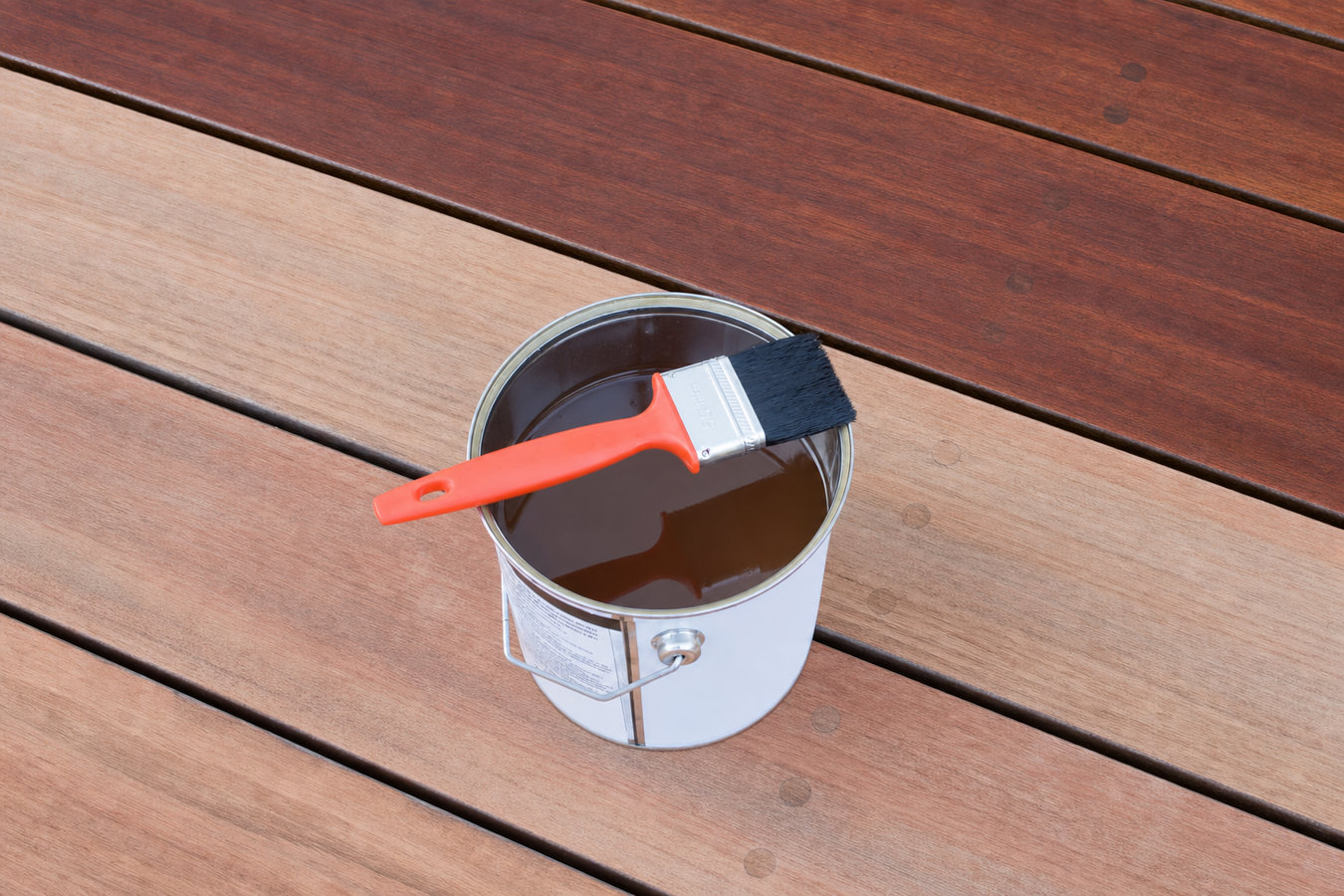
Fence staining and sealing in Eagle Pass means cleaning the fence thoroughly, letting it dry, and applying a stain that soaks into the wood grain alongside a water-resistant sealer on top - most residential jobs wrap up in one to two days, with a 24-hour drying period before the fence can be used normally again.
Wood fences in Eagle Pass are working against two things constantly: intense UV exposure that bleaches and dries out boards, and wet-dry cycles from caliche soil that stress the wood at the base. Without a fresh protective coating every two to three years, boards crack, posts darken with moisture damage, and replacement comes much sooner than it should. If you are starting fresh with new lumber, our wood fence installation service includes guidance on the right materials and first-treatment schedule for Eagle Pass conditions.
When wood loses its protective coating, UV exposure bleaches it to a dull gray. In Eagle Pass, where the sun is intense year-round, this can happen within a season or two of the last treatment. Gray color is not just cosmetic - it means the wood fibers are drying out and becoming more vulnerable to cracking.
Sprinkle a little water on your fence boards on a dry day. If the water disappears into the wood within a few seconds, the sealer is gone. This test is especially useful after Eagle Pass summers, which can bake out protective coatings faster than in milder climates.
Small cracks running along the board grain mean the wood is drying out and shrinking. Once cracks form, water gets inside and damage accelerates - especially during the wet-dry cycles that come with Eagle Pass's occasional heavy rains followed by intense heat.
Dark discoloration near the ground is often moisture damage - a common issue in Eagle Pass because caliche soil does not drain quickly after rain. Staining and sealing can protect the wood going forward, but a contractor should check whether the post is still structurally sound before applying product.
Every staining job starts with a thorough cleaning to remove dirt, dust, mold, and any old flaking product from the surface - in Eagle Pass this often means clearing caliche dust and fine grit that accumulates on fence boards from seasonal winds. After washing, the fence dries fully before any product goes on. Rushing this step is the most common reason stain jobs fail early, so we schedule cleaning and application on separate days when needed. If there are any boards that need to be replaced first, our fence replacement service can handle full panel or post swaps before the staining crew arrives.
Stain application is done by brush, roller, or sprayer depending on the fence style and the conditions on the day of service. In Eagle Pass heat, we schedule application for early morning to avoid applying product to sun-baked boards, which prevents even coverage. Every job includes a walkthrough at completion and a final water test to confirm the sealer bonded correctly. We also advise on HOA color guidelines for homeowners in newer Eagle Pass subdivisions where approved stain colors apply.
The most common job in Eagle Pass - full-height board fences cleaned, prepped, and coated with UV-blocking stain plus a water-resistant sealer.
Targeted sealing of the lower sections of fence posts and boards where caliche soil creates moisture stress - suited for fences showing early base darkening.
A lighter application for fences that are still in good shape but past the two-year mark - keeps protection current without a full cleaning and strip.
Replacement of damaged or rotted boards before the staining crew arrives, so the finished job protects sound wood throughout.
Eagle Pass averages more than 220 sunny days per year, and summer highs regularly push above 100 degrees from June through September. That level of UV radiation bleaches and dries out wood faster than homeowners in cooler climates would expect - sometimes visibly graying within a single season. On top of that, the area soil is heavy in caliche, a hard calcium-rich layer that holds water after rain and then dries out rapidly, creating constant wet-dry stress on fence posts and boards near the ground. Stain and sealer applied correctly addresses both threats. The U.S. Forest Service covers wood finishing science at fpl.fs.usda.gov. Texas A&M AgriLife Extension covers wood care for Texas climates at agrilifeextension.tamu.edu.
We serve wood fence owners across the region, including neighborhoods in Del Rio and Uvalde. Spring and fall are the best scheduling windows throughout South Texas - if your fence is due, booking early keeps you from losing another season of protection.
We ask about your fence length, height, and condition - and whether it has been treated before. You get a written quote that breaks down what is included so there are no surprises later. Most estimates are turned around within one business day.
The crew washes the fence to remove Eagle Pass caliche dust, mold, and any old flaking product. After washing, the wood needs at least 24 hours to dry completely - which is why we schedule cleaning and staining on separate days when conditions require it.
We work early in the morning to avoid applying product to wood that has been baking in the afternoon sun. Coverage is applied systematically across every board and post so no sections are missed or receive uneven product.
Before we leave, you walk the fence with us. We point out any areas to watch and confirm the application looks even. After 24 to 48 hours of drying, do the water-bead test - if water beads up, the sealer is working correctly.
Free written estimate. No permit needed. Scheduling open now for spring and fall treatment windows.
(830) 386-1883Staining in the peak summer heat is one of the most common ways a job fails early. We work within the right temperature windows - early morning in warmer months, full-day scheduling in spring and fall - so the product bonds correctly and lasts the full two to three years Eagle Pass conditions allow.
Cleaning and drying are the steps most contractors rush. We wash the fence, let it dry fully, and only apply product when the wood is ready. That sequence is what separates a stain job that holds through two summers from one that starts peeling within a season.
We pay particular attention to the lower sections of fence posts and boards - the area most affected by Eagle Pass caliche soil holding water against the wood. Sealing the base correctly is the single most effective thing you can do to extend the life of a wood fence in this area.
Some newer Eagle Pass subdivisions have HOA requirements on fence stain colors and finish types. We are familiar with common local guidelines and can help you confirm approved options before committing to a color, so you do not have to redo work at your own cost. The American Coatings Association covers stain product standards at{' '}paint.org
Every job comes with a written quote, a completion walkthrough, and honest advice about whether any boards need repair before staining begins. We work on residential fences across Eagle Pass and Maverick County and are straightforward about what your fence actually needs.
When boards and posts are too far gone for staining to help, full fence replacement starts fresh with materials chosen for South Texas conditions.
Learn MoreNew wood fence installation in Eagle Pass with posts set for caliche soil, permit handling, and material guidance for the local climate.
Learn MoreCall or message now to book your fence staining estimate - spring and fall scheduling fills up fast in Eagle Pass.